
Pool leak detection
We identify the source of swimming pool leaks using specialist, non-destructive methods tailored to each pool.
Non-destructive diagnosis
It is normal for a swimming pool’s water level to drop slightly over time due to splashing, wind, evaporation in hot weather or filter backwashing. However, if you notice an unusual or excessive drop in the water level, it may be time to arrange a professional pool leak detection inspection.
During our comprehensive diagnostic intervention, we use specialised equipment to locate your pool's leak. Our approach is non-invasive, so your pool and its surrounding finishes remain undamaged.
Once the leak, or leaks, have been identified, we can, where appropriate, carry out temporary sealing measures to help limit further damage and reduce unnecessary water loss. This is only a short-term solution and a qualified professional will still be required to carry out the permanent repair.
I suspect a leak...
- I suspect a leak in my pool
- My pool water level keeps dropping
- My water bill has increased unexpectedly
- I have water damage or signs of infiltration
- My pool has a watertightness issue
- I have a problem with the filtration system
- I suspect a leak around the pool fittings
Our approach
At Pool Leak Detect, swimming pool leak detection has been at the core of our work for over 8 years. We identify the source and cause of the issue as efficiently as possible and provide detailed inspection reports to help limit further damage and prevent the situation from getting worse.
Our pool leak detection service follows a clear 4-step process.
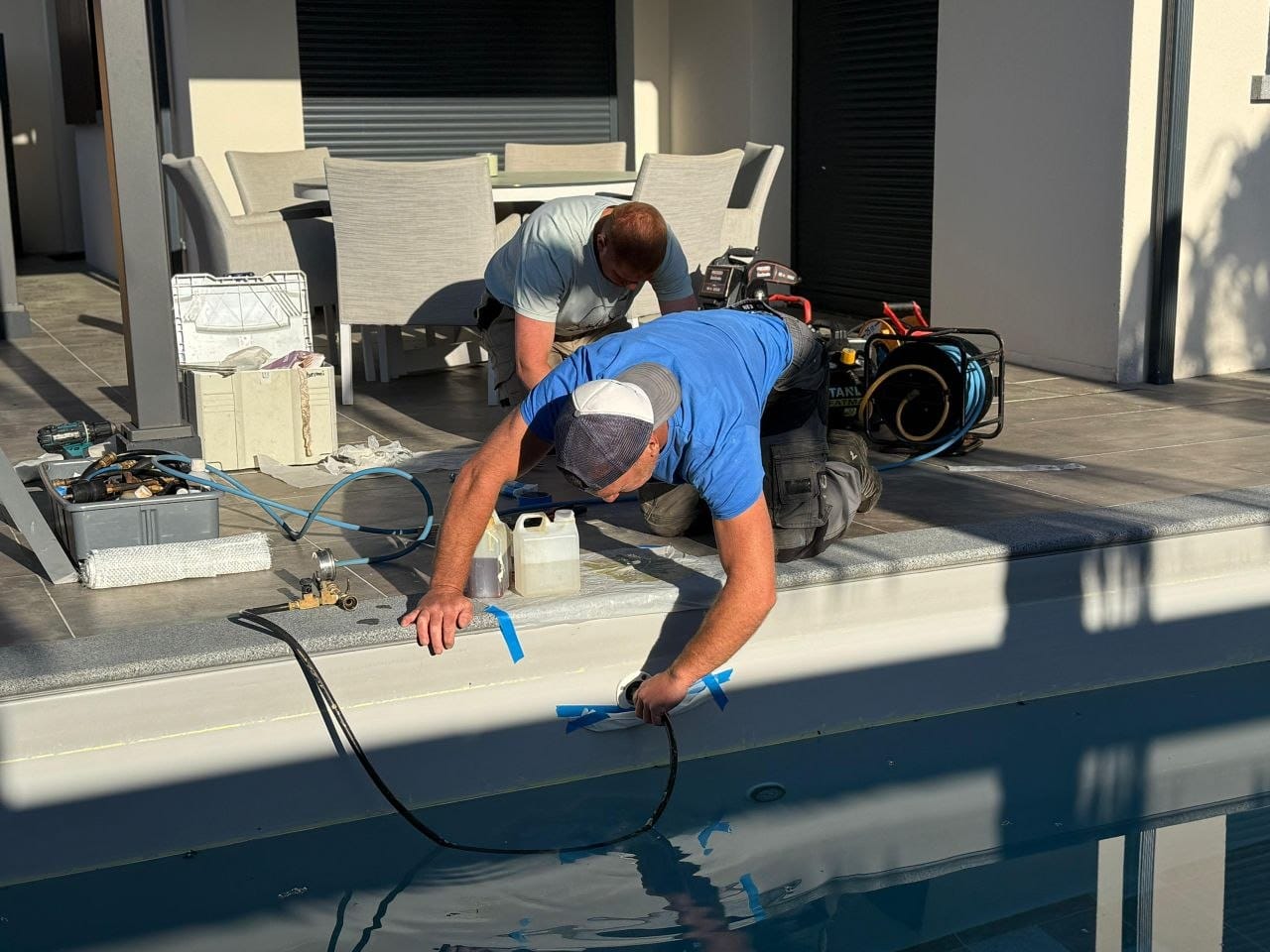
Above water inspection
To identify the possible source of the leak, we start with inspecting all relevant pool components above the waterline.
- Complete visual inspection of the pool
- Pressure testing of the plumbing lines: Skimmers, vacuum points, and return jets
- Leak detection on pool surfaces: specialized testing for fiberglass shells, liners, or reinforced PVC using Electro-Induction
- Video inspection: including pipe mapping and line location where necessary.
- Tracer gas detection (Nitrogen-Hydrogen mixture): Used for precise pinpointing.
- Electro-acoustic listening
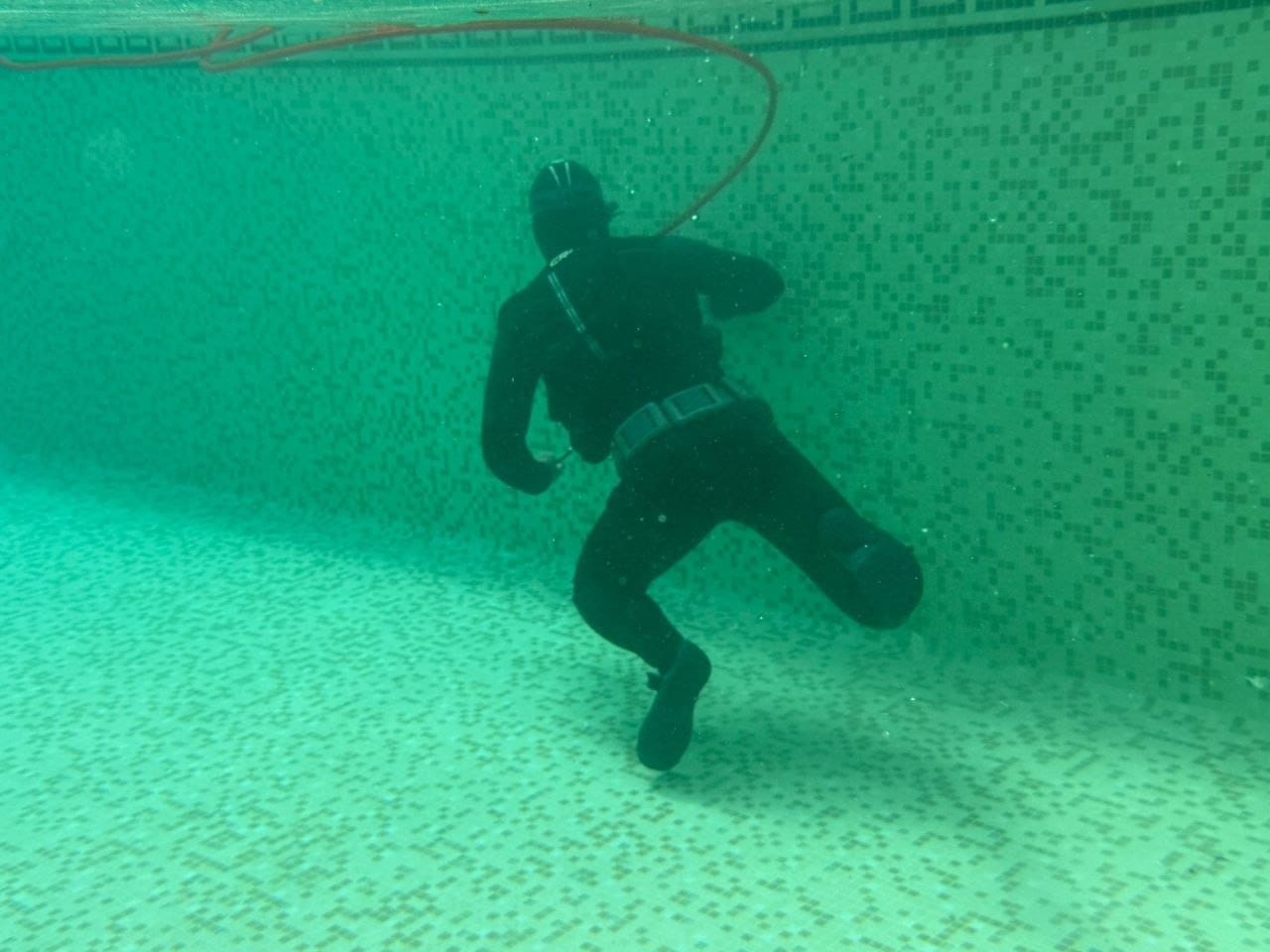
underwater inspection & verification
For a reliable diagnosis, our investigation also requires an underwater inspection, carried out by diving into your pool.
- Visual inspection of all pool fittings using waterproof lighting
- Pressure testing of the main drain
- Temporary repair of any leaks detected via Electro-Induction.
- Pipe tracing (when necessary) using a waterproof camera while diving
- Underwater photos and videos captured for the final report.
- Submerged tracer gas injection specifically for main drain line leaks
At the office
- Preparation of a detailed report
our tools and techniques to locate the leak
From pressure testing to underwater inspection, each technique is selected according to the type of pool and the nature of the suspected issue.

Video Inspection

Electro-induction

Radio-detection

Tracer Gas

Pressure Testing

Fluorescein

Scuba inspection

Isolation plugs/covers

Electronic listening devices
Frequently asked questions
Find answers to some of the most common questions about swimming pool leak detection, warning signs and the inspection process.
How do I know if my swimming pool has a leak?
A swimming pool can naturally lose a small amount of water through evaporation, splashing or filter backwashing. However, if the water level drops unusually quickly (more than 0.5cm within 24hours), if your water bill increases unexpectedly, or if you notice damp areas, cracks or signs of infiltration around the pool, a leak may be present and should be investigated.
How is a pool leak detected?
Pool leak detection involves a series of targeted checks to identify the source of water loss as accurately as possible. Depending on the type of pool and the suspected issue, this includes visual inspection, pressure testing, dye testing, underwater inspection and other non-destructive methods to assess the structure, fittings and pipework.
Do I need to drain my pool to detect a leak?
A professional pool leak detection service is carried out without draining the pool, allowing the inspection to be completed both above water and underwater. This makes it possible to investigate underwater fittings and other submerged areas in proper conditions.
Need help with a suspected pool leak?